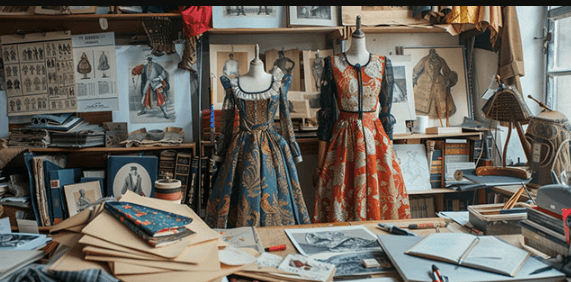
Costume design acts as a quiet translator between script, era, and character. It translates mood into wardrobe choices the audience absorbs before dialogue begins. Through silhouettes, fabrics, and details, it maps trends with disciplined curiosity and collaborative restraint. Case studies reveal how careful experimentation can redefine daily wear while honoring history. The conversation begins with visible choices and ends in new style vocabularies that invite further exploration beyond the screen.
How Costume Design Shapes Fashion Narratives
Costume design functions as a narrative engine, translating script, era, and character psychology into a visual cue that audiences read before dialogue begins. In this process, recontextualized aesthetics emerge, guiding collaboration across departments and empowering designers to redefine norms. By shaping silhouettes, textures, and palette, it refines audience perception, offering a lucid, collective vocabulary that anticipates emotion, intention, and future fashion discourse.
From Screen to Street: Translating Era and Mood Into Wardrobe
From screen to street, the translation of era and mood into wardrobe emerges as a collaborative synthesis between on-screen intention and real-world wearability.
Designers map era mood to accessible palettes, silhouettes, and adaptable details, forging a wardrobe translation that honors history while inviting personal expression.
The process emphasizes clarity, shared intent, and breakout experimentation, shaping liberated, contemporary style without surrendering narrative precision.
Analyzing Silhouettes, Fabrics, and Details That Move Trends
Is understanding what moves trends a matter of watching silhouettes, fabrics, and detailing with a discerning eye? The analysis becomes a collaborative framework where silhouettes exploration guides experimentation, while fabric textures reveal tactile signals shaping collective desire. Designers map movement through precise observations, translating cues into purposeful forms. Details align with evolving narratives, ensuring a disciplined yet liberating dialogue between craft, culture, and future fashion.
Case Studies: Iconic Costumes That Redefined Everyday Style
Iconic costumes have long served as catalysts that refract everyday wear, reframing what people perceive as possible for daily attire.
Case studies reveal how iconic silhouettes, fabrics and details converge to shift consumer imagination, inviting collaborative reinterpretation.
These renderings demonstrate disciplined experimentation, aligning designers, makers, and wearers in a shared pursuit of expressive freedom, where historic references inform future-forward, wearable innovation.
Frequently Asked Questions
How Do Budgeting Constraints Influence Costume Design Decisions?
Budgeting constraints shape costume design decisions by forcing prioritization, modular solutions, and scalable embellishments, while acknowledging fashion ripple effects and audience perception; collaboration guides resourceful creativity, ensuring freedom-loving designers balance vision with pragmatic constraints and strategic iterations.
What Role Do Cultural Consultants Play in Period Pieces?
An allegory unfolds: cultural consultants steer a ship toward period accuracy, anchoring authenticity while charting creative horizons. They bridge communities, ensuring sensitive portrayal and precise details, guiding directors, designers, and actors toward credible, respectful, and visionary storytelling.
How Is Sustainability Integrated Into On-Screen Wardrobe Choices?
Sustainability is integrated through sustainable materials and eco friendly fabrication, guiding on-set wardrobe choices with a visionary, collaborative lens; designers detail supply chains, foster transparency, and empower creative freedom while minimizing environmental impact across the production’s wardrobe lifecycle.
See also:Blockchain Technology Explained
Can Costume Design Alter Audience Perception of Characters?
Can costume design steer audience perception by signaling traits, tensions, and arcs; it can shape expectations, imply backstory, and unify narrative motifs, guiding interpretation while maintaining collaborative nuance across departments, empowering viewers to experience characters through intentional, perceptive aesthetics.
What Tools Predict Fashion Ripple Effects From Cinema?
Forecasting tools forecast fashion ripple effects from cinema via cinema wardrobe analytics; these tools forecasting illuminate patterns, enabling a collaborative, visionary approach. Anachronism: screens whisper algorithms; designers, scholars, audiences unite, shaping tomorrow’s stylistic freedom through precise, detail-oriented projection.
Conclusion
Costume design operates as a collaborative compass, translating era, mood, and character psychology into tangible imagery that audiences inhabit before dialogue begins. By translating script into silhouettes, fabrics, and details, designers illuminate future-forward wardrobes while honoring history. This disciplined experimentation—rooted in observation and synthesis—shapes daily fashion, guiding trend trajectories and collective vocabulary. The resulting visuals, resonant yet practical, invite continuous dialogue between screen and street, proving that imaginative storytelling can seed enduring, wearable innovation.